
We’re living in the best era ever for marketing. We’ve got tools, data, and speed that would’ve looked like science fiction 50 years ago.
If you went back in time and told a marketer they could launch a product, test it in real time, and target someone based on what they bought for lunch last week, they wouldn't believe you. And if they did, they’d give you all their money.
But here’s the flip side to all this opportunity:
It’s overwhelming.
There’s too much noise, too many tools, too many channels. It’s easy to get stuck chasing trends instead of building real systems.
Easy to obsess over a brand deck while the fundamentals fall apart.
But no sweat, I'm here to help.
Here are four areas I keep seeing brand marketers ignore. And they shouldn’t.
1. Marketing Automation
What it is: Automating any part of your marketing work, from content creation to developing and scaling influencer marketing. While this has always been possible at some level, with AI, you can now do some incredible things.
Look up the flows people build on Zapier, Make.com, and others, they're sophisticated as heck.
Check out this example of content creation automation:
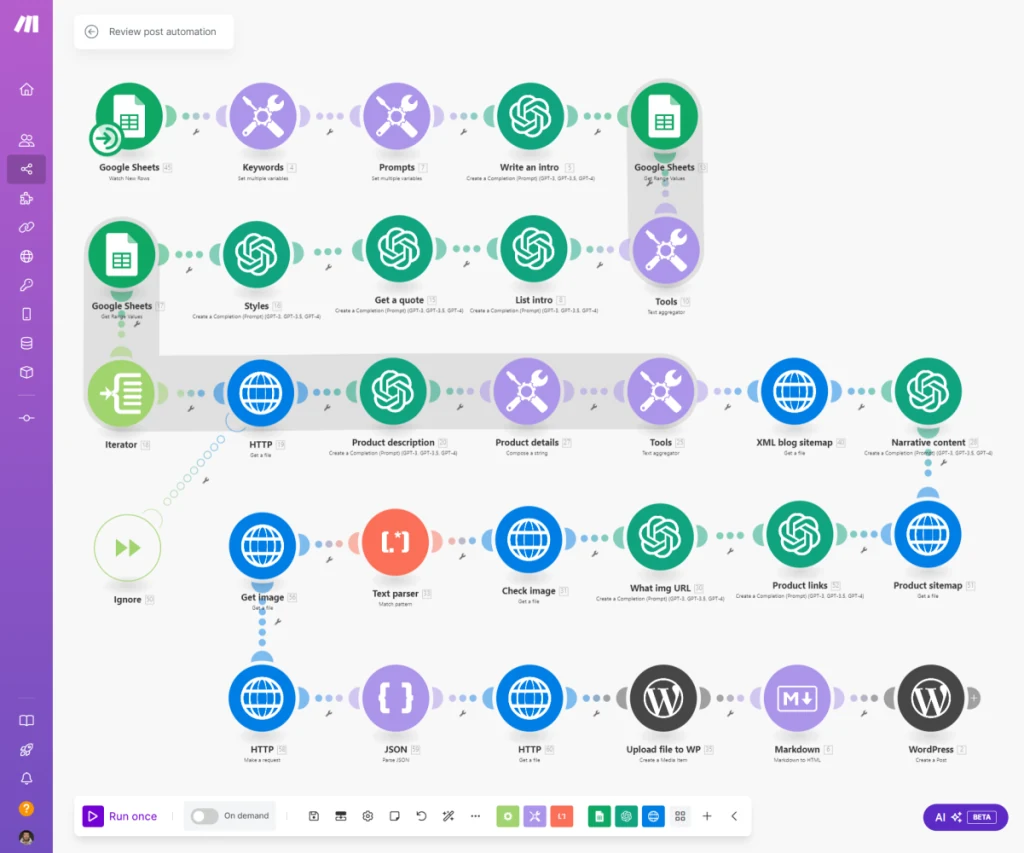
This piece is crazy sophisticated and it shows how you can turn raw product data into full blog articles using ChatGPT, Google Sheets, and Make.com. From generating intros and product reviews to inserting images and publishing directly to WordPress.
Why it matters: If you don’t have automation in place, you’ll never scale efficiently. You'll get bogged down by repetitive tasks and lose time that should be spent on high-impact work.
The thing is, there are already plenty of tasks being automated with AI. You could automate even more, like content creation, website SEO strategies, and SEO article optimization.
2. Funnel Development
What it is: Mapping out every step someone takes with your brand, from how they’re first introduced to the moment they buy. This could be someone coming in from a TikTok video, landing on your website, and eventually making a purchase.
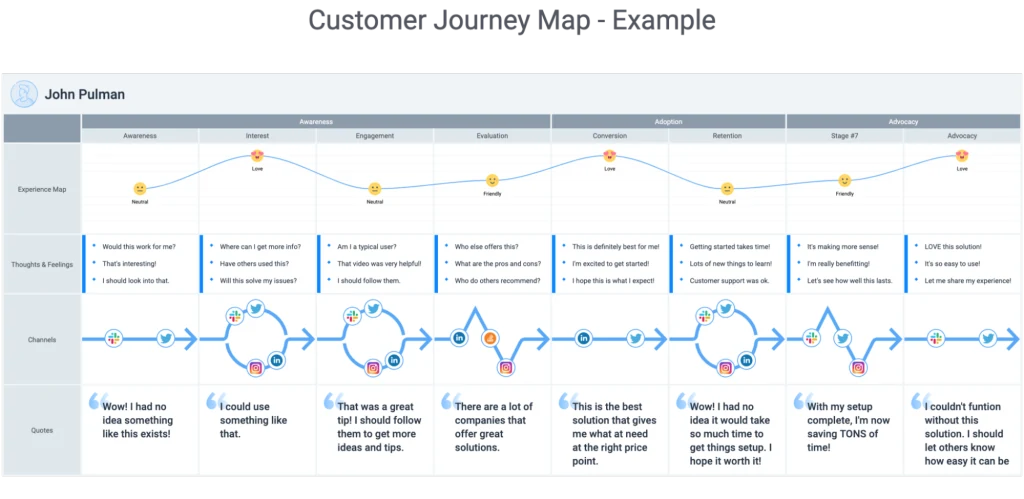
Why it matters: If you don’t create, own, and track the customer journey, you’ll never truly optimize your funnel. You won’t understand how customers are coming in, where you’re taking them, and why.
That means missed opportunities for engagement, tracking, and customer experience.
3. Vibe Coding
What it is: Using AI to code via simple text prompts. This means creating apps, websites, Chrome plugin, you name it. Ask for a tool, app, or SaaS idea, and within seconds, you’ve got a working app.
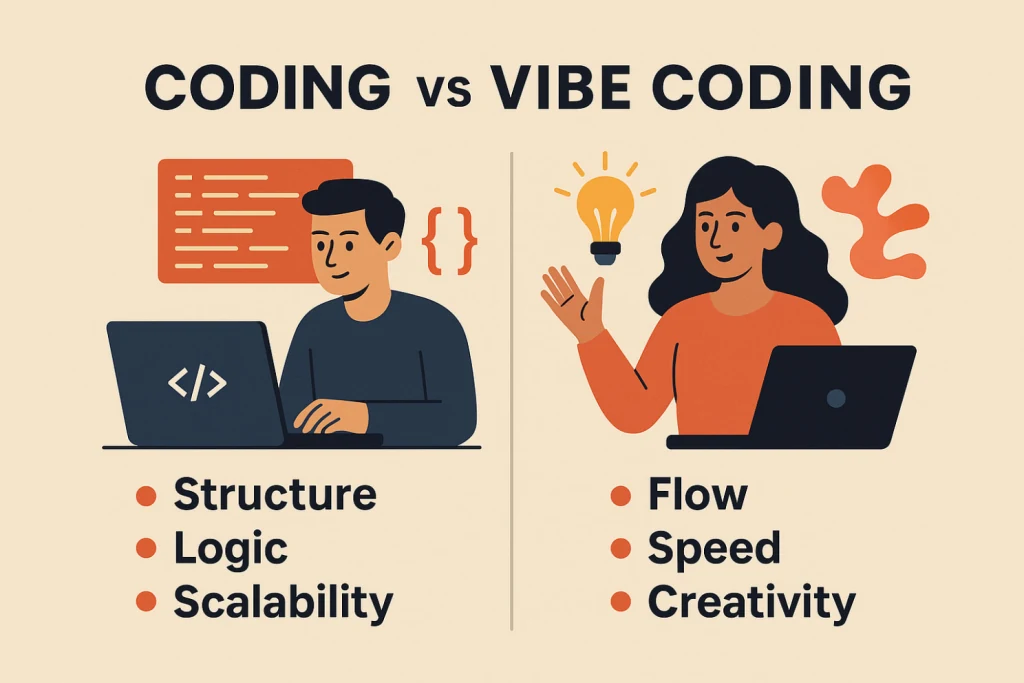
Why it matters: I constantly think, “It’d be cool if I had a little app that did this…” But I'm always bogged down by how to actually create it (because I can’t code) and the cost to pay others. Now, you don’t need a dev team or even have to pay for software someone else built. You can build real apps in seconds.
It saves time and money, sometimes you can replicate expensive third-party tools with minimal effort.
You can also create awesome and unique consumer experiences like apps, forms, games, or other site features that drive engagement. Think about all the different inbound marketing opportunities and the extra time people can spend with your brand.
4. Performance Marketing
What it is: Paid media that’s tracked, tested, and optimized based on real actions and conversions, and all done in real time. You move quickly to double down on what’s working and cut what isn’t.
But how is this different from general brand marketing?
The key difference is intent and measurement:
- Brand marketing is about building perception over time, it focuses on storytelling, tone, and consistency to shape how people feel about your brand. It’s measured by things like awareness, sentiment, and recall.
- Performance marketing, even when tied to a brand campaign, is focused on immediate action. It’s designed to drive clicks, signups, purchases, and it’s judged by clear metrics like cost per acquisition, ROAS, and conversion rate.
In short: brand marketing builds memory, performance marketing builds momentum. Both matter, but they serve different roles.
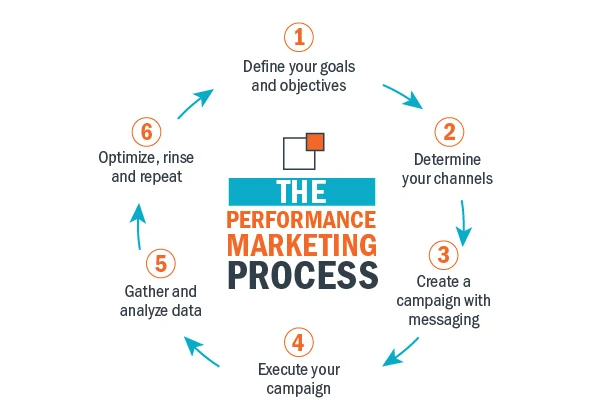
Why it matters: Too many brand marketers treat paid media like a faucet, turn it on, hope for the best, move on.
Performance marketing means testing creative, adjusting copy, and backing the ad that converts, not the one that “feels” good.
Yes, branding is important, but conversions matter too, even if you’re not D2C (Direct-to-consumer). Track things like:
- Content Downloaded
- Form fills
If you’re not tracking or optimizing, you’re leaving money, data, and consumer opportunities on the table.
Final Thoughts
Being creative isn’t enough anymore.
You need to be operational, too. That’s how you build real growth, not just cool campaigns.
I'd love to hear what you think, what resources you've used to learn things like this, or anything you think I missed.
Let me know.

If this interested you, subscribe. I'm Leo Morejon—startup leader, Fortune 500 marketer, agency vet, university educator, and side hustle builder. I share what’s working in marketing with no fluff.