
What is content clipping?
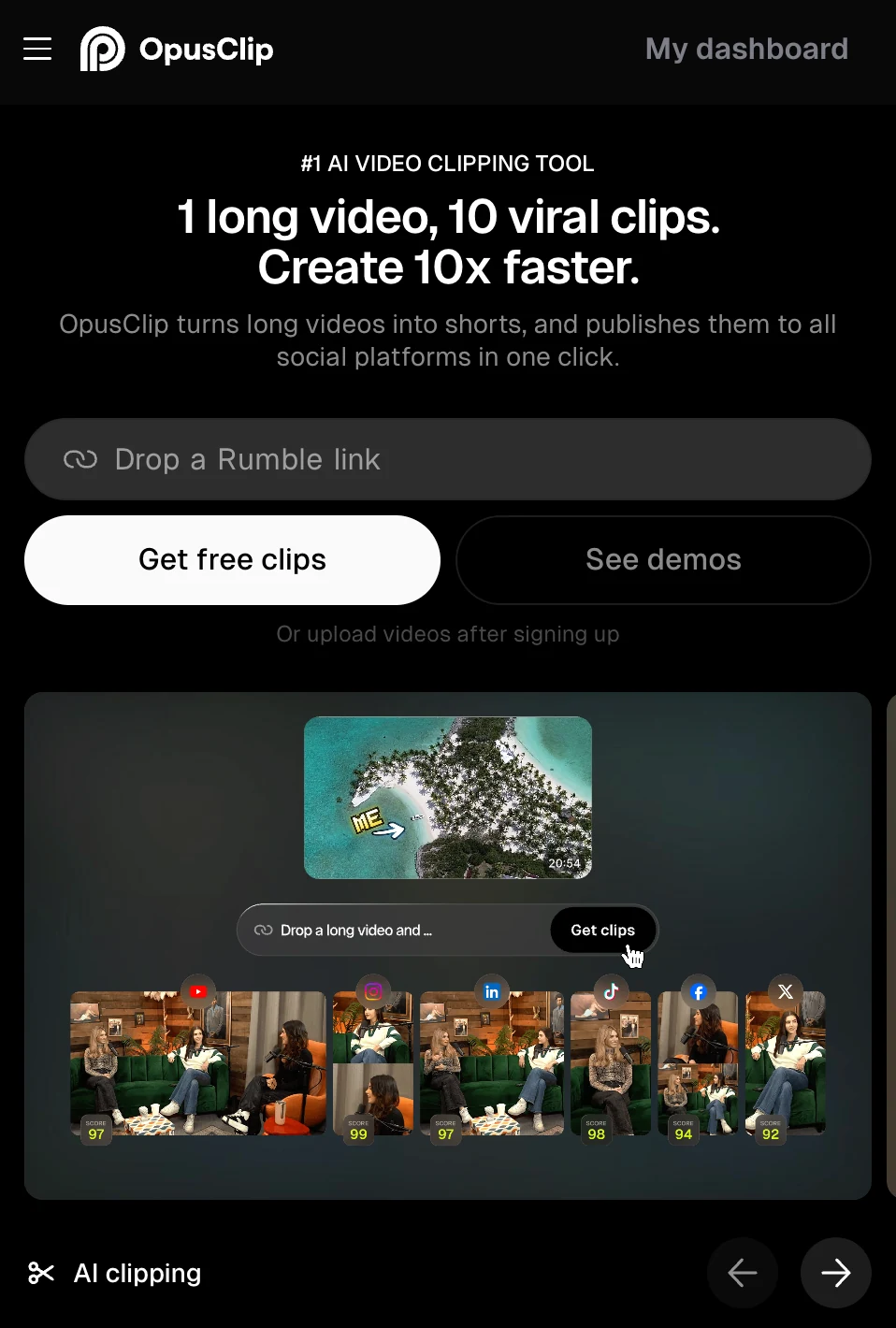
Content clipping is cutting short clips from longer video or audio, then distributing them across social platforms. That part is not new. What changed is that it has become industrialized. There are now companies, platforms, and freelance networks that exist specifically to do this at scale, on behalf of brands and creators paying for it.
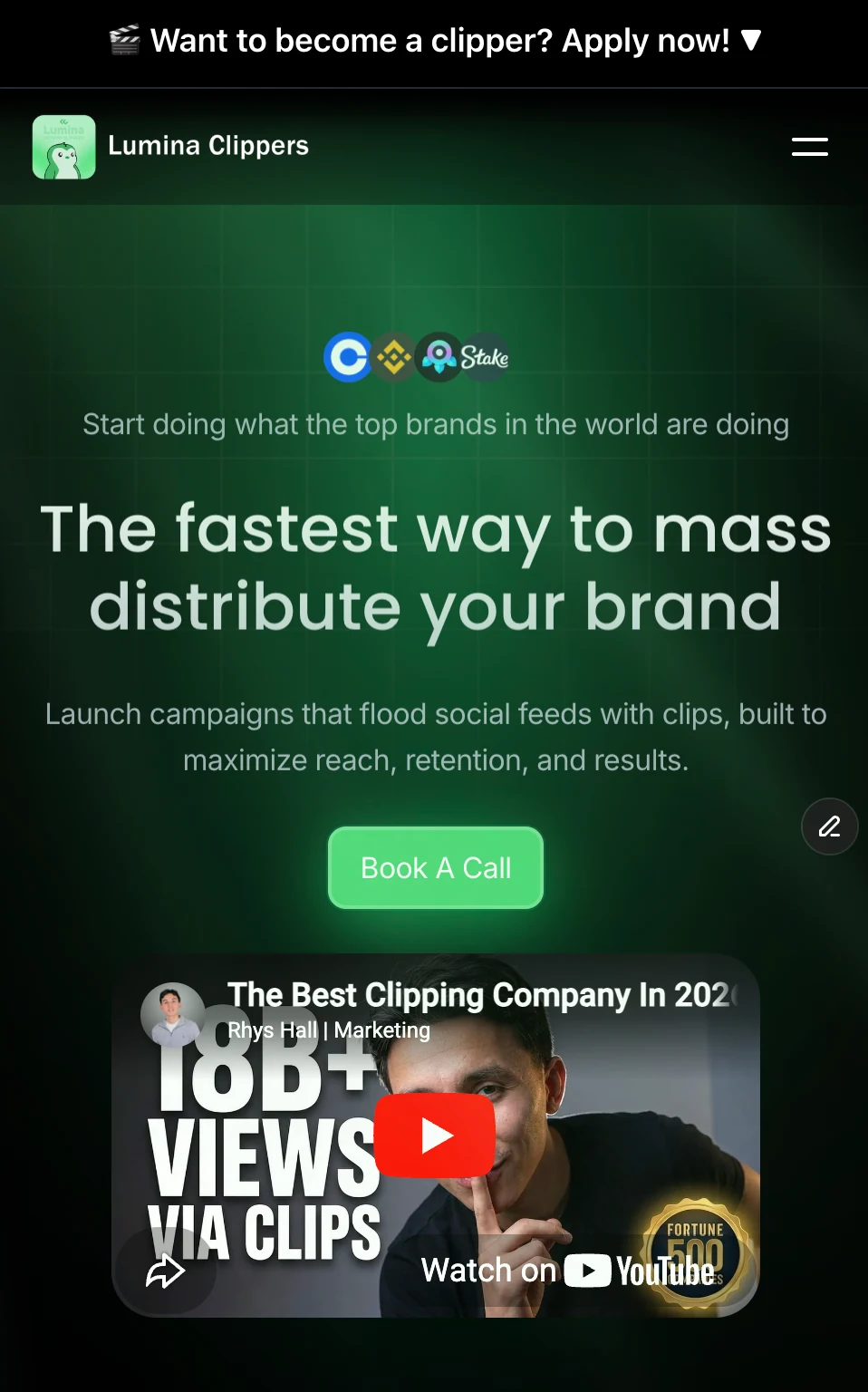
A clipping campaign works like this: a brand or creator pays a platform or agency, that platform distributes the work to a network of individual clippers, and those clippers post the clips to their own accounts, usually anonymous ones. Volume is the whole point. The goal is to get a clip on as many feeds as possible.
If you take nothing else from this resource, take this diagram. It shows the four stages a brand's content moves through, the economics underneath, and the trade-offs you accept by using this channel.
How a clipping campaign works
Source content travels through a network of clippers before it ever reaches a real viewer.
Source content
Long-form podcast, stream, or video.
Platform or agency
Posts a campaign brief with payout per view.
Clippers
Thousands of individuals cut short clips at scale.
Distribution & reach
Posted to anonymous accounts, fan pages, meme pages.
Here's the money flow. The platform charges the company, often $2,500–$10,000 a month or $2–$5 per 1K views, keeps a cut, and pays clippers per view. None of it works without volume, which is why one campaign spawns thousands of clips across thousands of accounts.
The company never picks which accounts post the clips. Clips often run with no #ad disclosure. The accounts they run on are often anonymous and may post other content the brand would never want to be associated with.
Anatomy of a clipping account
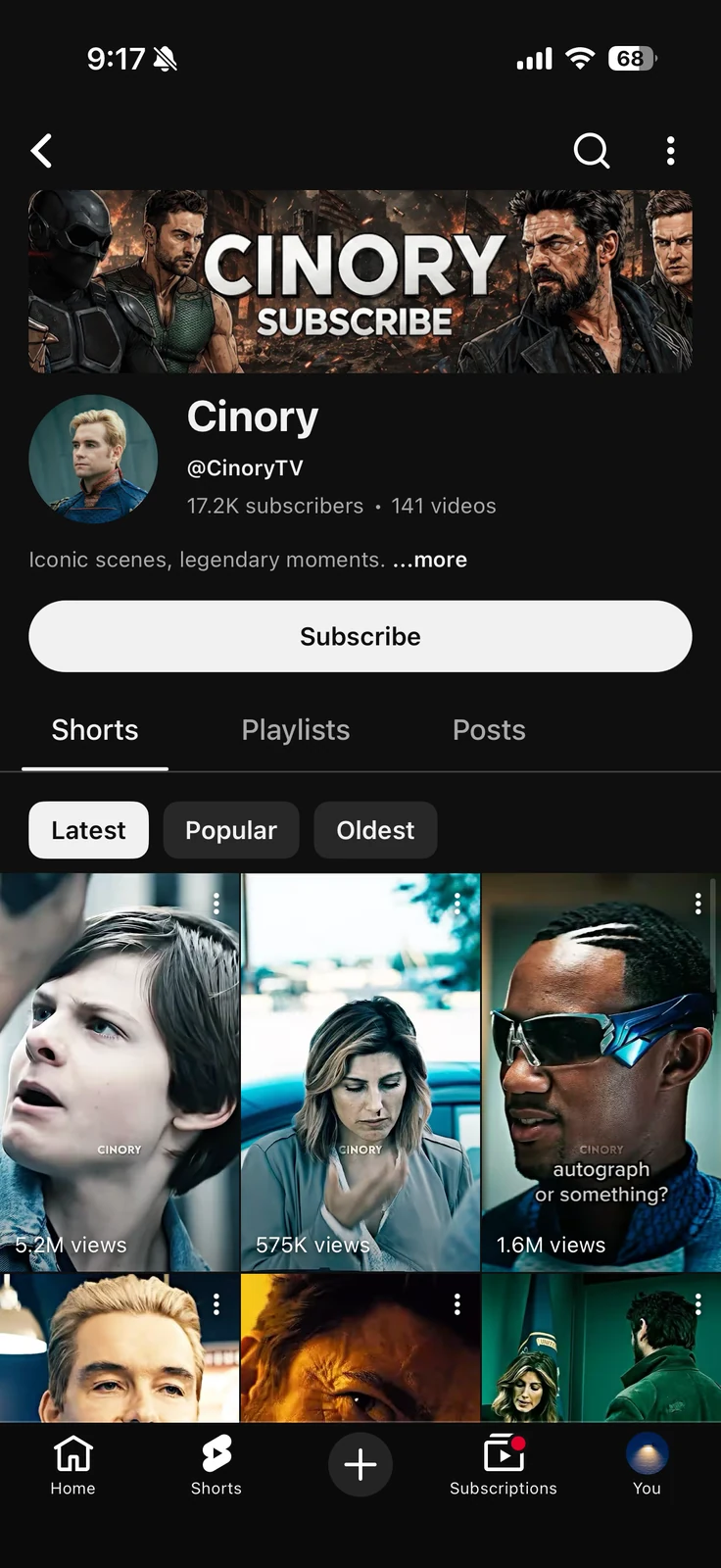
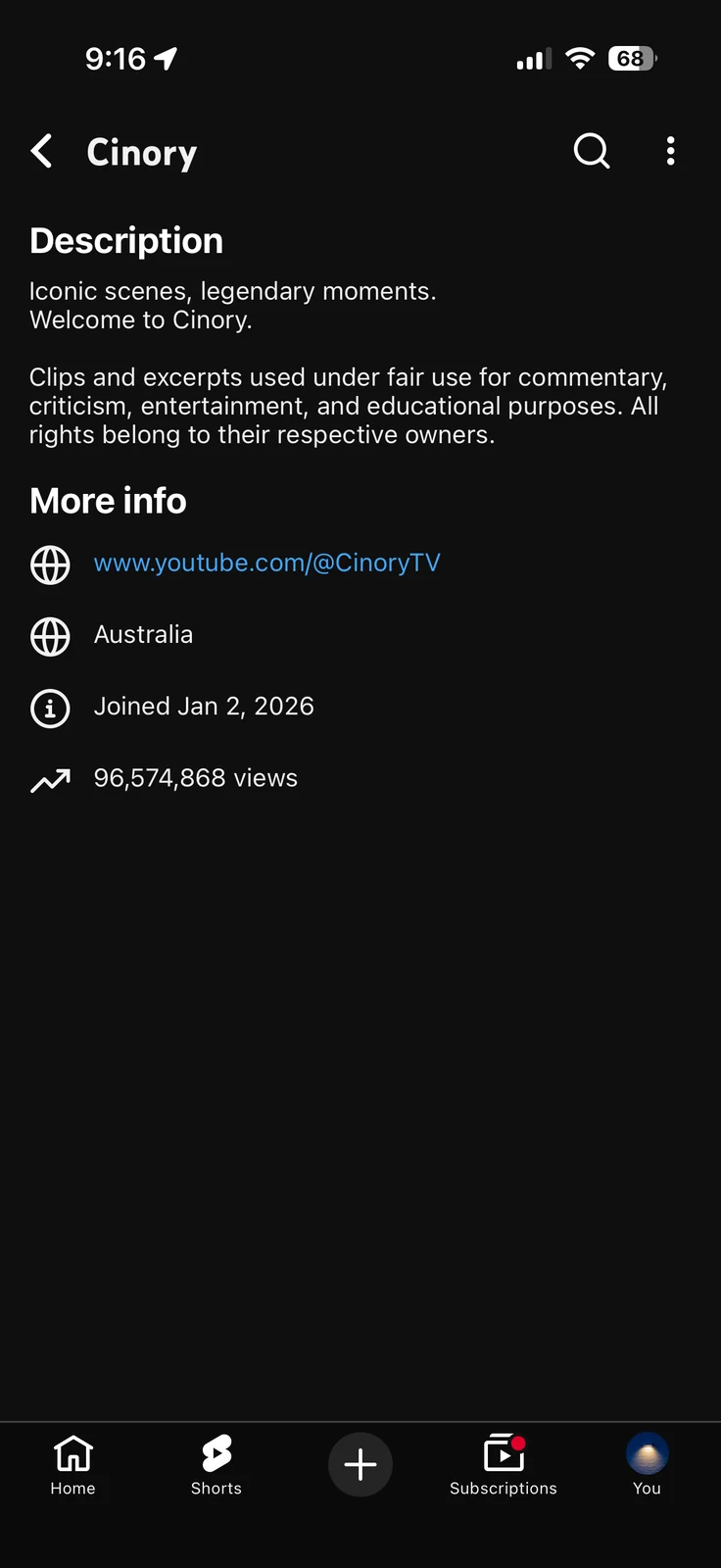
Once you know the pattern, you start seeing it everywhere. This is just one example, not all of them are this obvious, but it's a useful reference for what a managed clipping account tends to look like in the wild.
One example, not always this obvious.
The screenshots below come from a real account. Look for the same two tells. A generic, faceless grid and bio language pre-loaded with fair-use cover.
What brand marketers are actually asking.
Eleven questions I keep getting. Click any to expand.
With a traditional influencer deal, you pick the creator, you know where your brand shows up, and you can vet the audience before anything goes live.
Clipping works differently. A platform or agency takes the brief and farms it out to a network of clippers, who post to their own accounts. The company never picks them. Many are anonymous.
What you're trading placement control for is volume.
Individual people who sign up on clipping platforms to earn money posting short videos. Some platforms have tens of thousands of them. They're paid based on views, not a flat fee.
Some are genuine fans of the creator or brand they're clipping. A lot of them are not. They're treating it like a gig. Some are using AI editing tools to pump out more clips faster.
Clippers earn per view, which is basically per impression. Rates are low. The model only works at scale, which is why brands running clipping campaigns push for volume above everything else.
One example from gaming, documented by The Verge: a streamer had roughly 2,000 clippers working for him and posted nearly 70,000 clips in two months. That's not a typo. That's what the model is designed to do.
On anonymous accounts, fan pages, and meme pages across TikTok, Instagram, YouTube Shorts, and X. You've probably seen the accounts with "fan page" or "not affiliated" in the bio. That's often how clippers flag their accounts to sidestep copyright claims. (See the anatomy diagram above for what one looks like in the wild.)
The thing brands don't always think through: your clip could end up right next to content you would never choose to be near.
Sometimes. Some clipping platforms require clippers to use a partnership tag or similar label. A lot of them do not. Plenty of paid clipping content running right now has nothing on it to indicate it was paid for.
There isn't a clean answer yet, which is part of the problem. The FTC's endorsement guidelines say that when there's a material connection between an advertiser and someone posting content, that connection needs to be clearly disclosed. Clips posted on anonymous accounts with no disclosure almost certainly do not meet that standard.
Not the way you can with a traditional influencer deal. You don't get to pick which accounts post your clips or what else those accounts are posting. Your content goes into a network and lands wherever it lands.
Officially, they're against it. Meta says re-uploaded content with minimal changes will not be recommended. Instagram and Facebook have rules that specifically target clipping farms. In practice, enforcement is inconsistent. Clips with low-effort editing still get reach.
The platforms benefit from the watch time, which makes enforcement something they say rather than something they do.
A clipping agency manages clipping campaigns end to end. They handle the platform relationships, the clipper network, the content guidelines, and the distribution.
Some focus on gaming and streaming. More of them are pitching consumer brands now. They vary a lot in how they handle disclosure and brand safety.
The heaviest users are musicians, gaming creators, and entertainment companies. Per The Verge's reporting, artists like Yung Gravy, the Rolling Stones, and Ski Mask the Slump God have run clipping campaigns. Sports brands including the NFL and UFC have used them. Warner Bros. and Universal have too.
For those brands the content is the product, and edginess is on-brand. The risk math runs the other way. That's exactly why it doesn't carry over to a traditional consumer brand.
Consumer brands are earlier in the curve. Some fintech and investment apps are testing it. Crypto brands have gone hard on it. Most traditional consumer brands are still figuring out whether this channel makes sense for them. The playbook for consumer brands is still being written.
What the operators actually charge.
Twenty-plus agencies, communities, and marketplaces are running clipping campaigns as of mid-2026. Enterprise shops, crypto and fintech specialists, music and podcast operations, gaming networks, and open marketplaces where clippers self-serve.
I track every one of them in the clipping agency directory.
Who they are, which model they run, what they claim, and a source link on every entry so you can check it yourself. Most figures these operators publish are self-reported, and the directory flags which ones are.
Browse the clipping agency directory, filterable by enterprise, crypto/fintech, music/podcast, gaming, and marketplace models.
What almost none of them publish is the money. Here is what it actually costs.
Sources & further reading.
The reporting and federal guidance this resource pulls from.